Finding your personal style can feel like a complex journey of self-discovery and expression, but it’s also one of the most fulfilling ways to showcase your personality, tastes, and individuality to the world. While personal style is often influenced by trends, it’s ultimately about creating a look that resonates deeply with who you are. So, how do you find your unique style and refine it in a way that remains timeless and adaptable? Here’s a comprehensive guide to help you uncover your personal style, once and for all.
1. Understand the Basics of Personal Style
Before diving into finding your style, it’s helpful to define what “personal style” really is. Personal style isn’t about dressing exactly like a trend or a fashion icon but rather creating a look that feels like an extension of your identity. Personal style is enduring, evolving slightly over time but grounded in pieces, colors, and shapes that feel like “you.” Finding it involves combining self-reflection, experimentation, and inspiration.
2. Assess Your Current Wardrobe
Your wardrobe says a lot about you—even if it feels like a collection of random pieces. Start by looking at your current clothes to identify patterns. Pull out the items you love wearing and feel confident in, then ask yourself:
- What is it about these pieces that makes you reach for them?
- Do they have similar colors, fabrics, or silhouettes?
- Are there recurring styles, such as classic, bohemian, minimal, or edgy?
By understanding what you already enjoy, you’ll have a foundation to build upon and identify the elements you’re naturally drawn to.
3. Look for Inspiration, but Stay Selective
One of the best ways to define your style is by seeking inspiration. However, with the rise of social media and countless fashion influencers, it’s easy to feel overwhelmed. The key is to be selective and intentional about where you look for inspiration.
Explore Different Sources:
- Pinterest: Create a mood board of looks you’re drawn to. This platform allows you to see common themes in the styles you’re pinning.
- Instagram: Follow a handful of fashion influencers who have styles you admire. Try to observe what it is about their outfits that captivates you—whether it’s the simplicity, the boldness, or the combination of colors.
- Fashion Magazines: Magazines like Vogue, Harper’s Bazaar, and GQ often showcase editorial fashion that can give you ideas for incorporating high-fashion elements into your everyday look.
- Celebrities: If there’s a celebrity whose style you love, study their outfits to understand the essential components of their looks.
4. Define Your Core Aesthetic
With your inspiration in place, start narrowing down your style into a defined aesthetic. Common fashion aesthetics include:
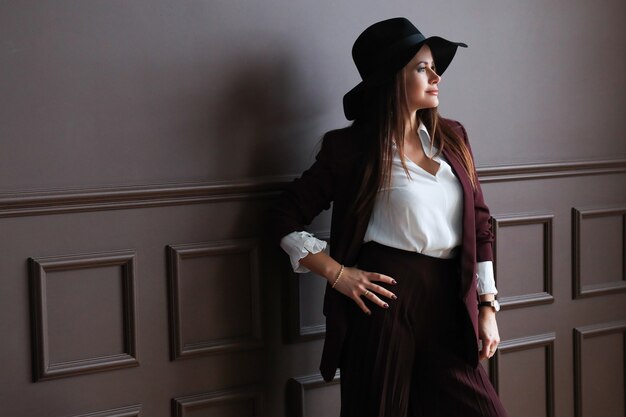
- Classic (structured, timeless pieces like blazers, neutral colors)
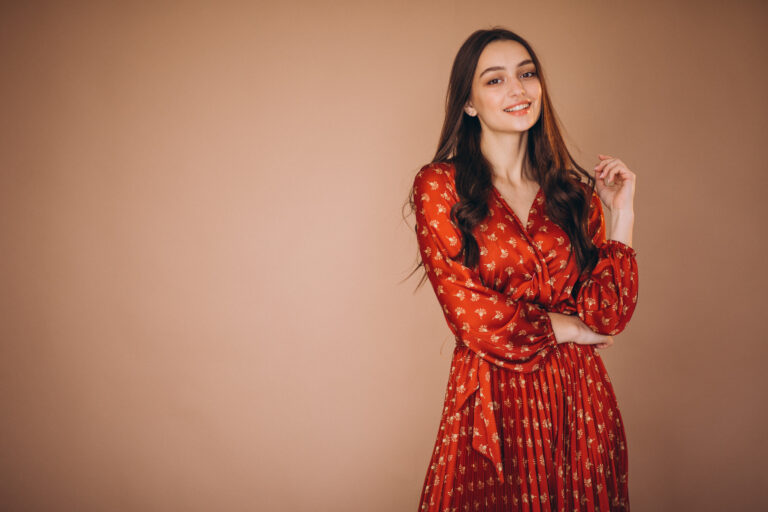
- Bohemian (flowy fabrics, earthy tones, vintage vibes)
- Minimalist (simple silhouettes, neutral colors, clean lines)
- Edgy (bold prints, leather, unique cuts)
- Athleisure (comfortable, sports-inspired, modern)
While these categories are a helpful starting point, your style doesn’t have to fit neatly into one box. In fact, many people combine elements of multiple aesthetics, such as “minimalist-boho” or “edgy-classic.”
5. Identify Your Signature Colors and Patterns
Color is a powerful tool in defining your style. Take note of the colors that consistently appear in your wardrobe and the ones that make you feel your best. These could be neutral tones, bold colors, pastels, or earthy shades. If you find yourself gravitating toward a certain color family, consider using that as a base for your wardrobe.
Similarly, think about patterns and textures. Do you love stripes, polka dots, florals, or animal prints? What about materials like denim, lace, leather, or silk? Selecting colors and patterns that resonate with you will help create a cohesive wardrobe.
6. Understand Your Body Shape and Fit Preferences
Finding clothes that fit and flatter your body type is a huge part of personal style. When you feel comfortable and confident in what you’re wearing, it shows. Common body shapes include pear, apple, rectangle, and hourglass, and each has different styles that may be particularly flattering.
However, don’t get caught up in fitting every trend to your shape. Instead, focus on cuts and silhouettes that make you feel good and reflect your personality. For example, high-waisted pants, wrap dresses, or oversized tops may be items that fit perfectly into your personal style.
7. Experiment with Capsule Wardrobes
Capsule wardrobes involve curating a limited number of high-quality, versatile pieces that can be mixed and matched. While not everyone adopts this minimalist approach, experimenting with a capsule wardrobe can be an insightful way to learn what you love wearing most. Start by selecting a few pieces in neutral colors, then add a few accent colors or unique pieces that add personality.
A capsule wardrobe allows you to focus on quality over quantity and determine which styles are truly “you.” Over time, you’ll naturally gravitate toward pieces that align with your style identity.
8. Focus on Accessories to Define Your Look
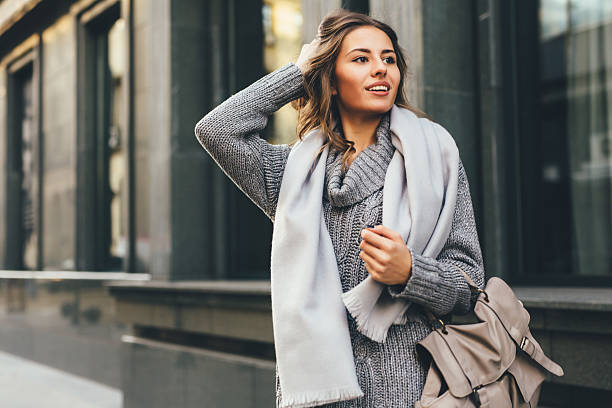
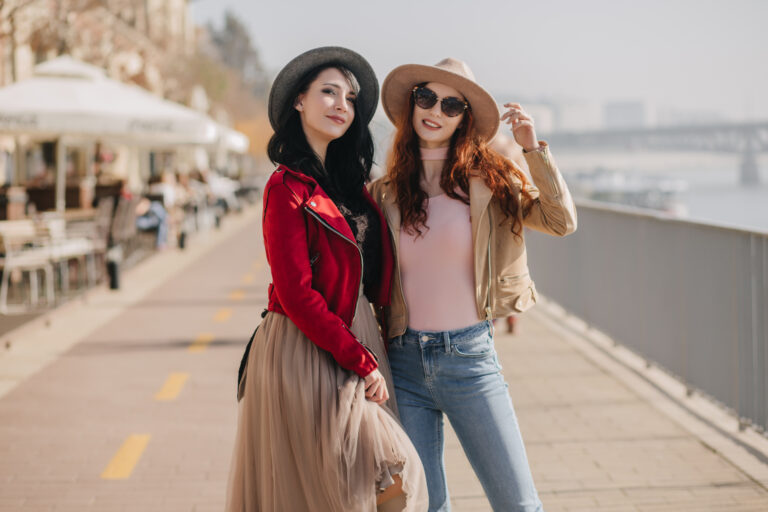
Accessories are a powerful way to express your style without overhauling your entire wardrobe. From statement jewelry to scarves, hats, and bags, accessories add a personalized touch to any outfit.
Consider what kinds of accessories you’re drawn to. Do you prefer dainty gold necklaces, oversized earrings, or chunky belts? Accessories can define your look and make even a simple outfit feel uniquely yours. For instance, someone with a bohemian style may opt for layered necklaces and colorful bracelets, while a minimalist might choose a sleek watch and a structured handbag.
9. Curate a Wardrobe that Reflects Your Lifestyle
Your lifestyle should play a significant role in shaping your personal style. If you work in a corporate environment, you may need more business-casual attire, while someone who works from home might prefer comfortable, casual pieces. If your hobbies include hiking, yoga, or city exploration, you’ll want a wardrobe that accommodates these activities.
Ask yourself:
- What does a typical week look like for me?
- Do I attend formal events or need to dress for outdoor activities often?
- What are my go-to outfits for work, leisure, and socializing?
Your personal style should be a blend of fashion and functionality. Curating a wardrobe that suits your life will help you feel comfortable and authentic in whatever you’re wearing.
10. Embrace the Evolution of Your Style
Personal style isn’t static; it evolves as you do. What felt like “you” five years ago may not resonate with you today, and that’s completely normal. As you grow, your tastes, preferences, and lifestyle may shift. Embrace these changes as part of your style journey. Experiment with new looks, but always keep the foundation of what makes you feel like yourself.
Remember that your style doesn’t have to fit into a single label or category. It’s okay to blend aesthetics, incorporate trends, or add new elements over time. Personal style is about freedom and self-expression, so don’t be afraid to evolve and explore.
Conclusion
Finding your personal & eco-friendly style is a journey that combines self-discovery, experimentation, and inspiration. By assessing your current wardrobe, looking for inspiration, defining your aesthetic, understanding your body shape, and curating pieces that reflect your lifestyle, you’ll be well on your way to creating a style that feels uniquely yours. Remember, the ultimate goal of personal style is to feel confident and comfortable, so trust the process, embrace your individuality, and enjoy expressing yourself through fashion.