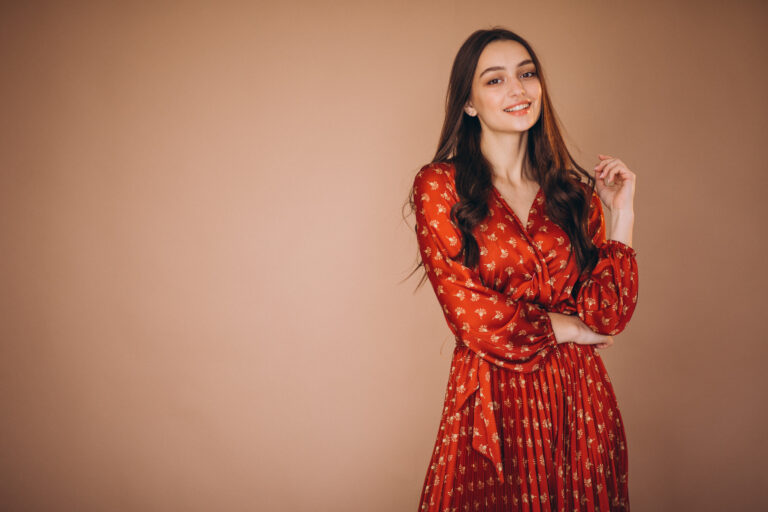
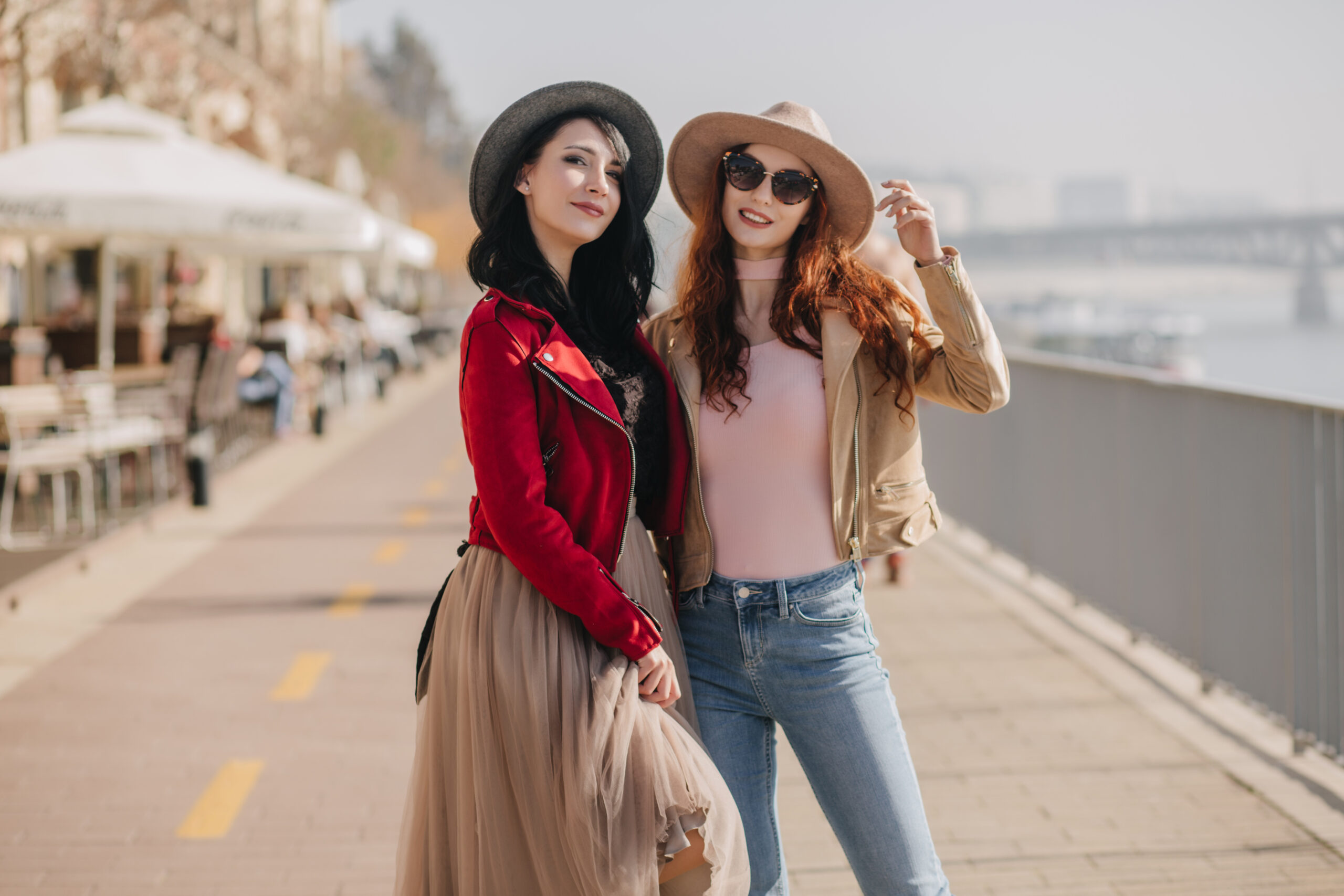
Cultural influences in fashion play a powerful role in shaping modern women’s clothing trends. Fashion today is more than style it’s a global language that reflects heritage, craftsmanship, and identity. From traditional silhouettes to contemporary fusion wear, women’s fashion has become a celebration of cultural diversity, inclusivity, and global creativity.
As fashion continues to evolve in 2026, designers and brands are embracing cultural inspiration to create meaningful, sustainable and expressive clothing for women worldwide.
How Culture Shapes Women’s Fashion
Fashion and culture are deeply connected. Every garment tells a story rooted in history, tradition and artistry. Designers draw inspiration from global cultures to bring authenticity and depth to women’s clothing.
Examples include:
African Ankara and Kente prints
Indian embroidery, handloom fabrics and block prints
Japanese kimono-inspired wrap silhouettes
Middle Eastern kaftans and flowing silhouettes
These elements have influenced modern ethnic wear, fusion fashion and global inspired women’s outfits, making cultural fashion more relevant than ever.
Top Women’s Clothing Trends Inspired by Cultural Diversity
1. Bohemian Fashion for Women
Bohemian style blends Eastern European folk fashion, Indian textiles, and Moroccan silhouettes. Popular boho elements include embroidered tops, relaxed fits, earthy tones and handcrafted detailing ideal for women who value comfort and artistic expression.
2. Global Prints and Patterns
Prints inspired by global cultures are dominating modern wardrobes. African prints, paisley motifs, silk patterns and hand painted designs are now seen in everyday women’s fashion, celebrating global artistry through wearable design.
3. Sustainable and Ethical Fashion
Cultural fashion has accelerated the growth of sustainable women’s clothing. Brands now collaborate with artisans to preserve traditional techniques like hand weaving, natural dyeing and embroidery. This shift supports ethical fashion, slow fashion and artisan-made clothing.
4. Fusion Wear for Modern Women
Fusion fashion for women blends traditional styles with contemporary silhouettes. Examples include:
Sarees paired with modern blouses
Ethnic skirts styled with western tops
Traditional prints on modern dresses
Fusion wear allows women to express individuality while respecting cultural roots.
5. Statement Accessories with Cultural Roots
Accessories add cultural depth to outfits. Ethnic jewelry, handcrafted accessories, and symbolic designs like jhumkas or beaded necklaces enhance both traditional and modern looks while carrying cultural meaning.
Cultural Fashion Icons Driving Global Trends
Rihanna (Fenty): Celebrates Caribbean heritage with bold, inclusive designs
Stella Jean: Combines African prints with European tailoring
Guo Pei: Showcases Chinese embroidery through couture craftsmanship
These designers highlight how heritage inspired fashion can succeed globally.
How Social Media Fuels Cultural Fashion Trends
Platforms like Instagram, TikTok and Pinterest amplify cultural fashion. Influencers showcase ethnic wear, fusion outfits and global-inspired looks, making cultural fashion accessible worldwide. Hashtags like #CulturalFashion and #GlobalStyle drive discovery and inspiration.
Cultural Appreciation vs Cultural Appropriation
While cultural fashion enriches women’s clothing, respect is essential. Cultural appropriation occurs when designs are used without understanding or credit. Ethical fashion prioritizes:
Collaboration with artisans
Education about garment origins
Respect for cultural symbolism
This ensures fashion remains inclusive and respectful.
The Future of Cultural Influences in Women’s Fashion
The future of women’s fashion lies in inclusivity, sustainability, and authenticity. Brands will increasingly:
Support artisan communities
Promote slow fashion
Use technology (AR/VR) to tell cultural stories
This evolution strengthens the emotional connection between women and their wardrobes.
How Women Can Embrace Cultural Fashion Daily
Shop artisan-made and ethnic clothing
Add statement cultural pieces
Mix traditional and modern styles
Learn the cultural story behind garments
Fashion becomes more meaningful when it reflects global heritage.
Final Thoughts
Cultural influences in women’s fashion celebrate the beauty of diversity. From ethnic wear and fusion fashion to sustainable clothing, cultural inspiration allows women to express identity with purpose. Every outfit tells a story. By embracing cultural fashion, you become part of a global movement that honors tradition, craftsmanship, and creativity.
Frequently Asked Questions (FAQs)
What are cultural influences in fashion?
Cultural influences in fashion refer to how traditions, heritage, textiles, and craftsmanship from different cultures shape women’s clothing styles and global fashion trends.
How does culture influence women’s clothing?
Culture influences women’s clothing through traditional garments, regional fabrics, patterns, embroidery techniques, and styling practices passed down across generations.
What is fusion wear for women?
Fusion wear for women combines traditional ethnic clothing with modern silhouettes, creating contemporary outfits rooted in cultural heritage.
Why is cultural fashion important today?
Cultural fashion is important because it promotes inclusivity, supports artisan communities, preserves heritage, and encourages sustainable and ethical fashion practices.
How can women incorporate cultural fashion into daily wear?
Women can incorporate cultural fashion by styling ethnic prints with modern outfits, wearing handcrafted accessories, and choosing fusion wear inspired by global traditions.
Is cultural fashion sustainable?
Yes, cultural fashion often supports sustainable practices such as hand weaving, natural dyeing, and ethical production through artisan collaborations.